A very common question that many men have is “should I shave before or after a shower?” It’s the simplicity of it that takes a lot of people by surprise. Yet at the same time, you do want to make sure that you shave in a way which is beneficial for your hair and beard as a whole. There are definitely differences when it comes to shaving after a shower, when compared to shaving before a shower. That’s why you need to take all of these things carefully and with great attention. The quicker you do that, the better it will be, and you can avoid problems that might potentially arise.
Quick answer: Shave after your shower, not before. Two to three minutes of warm water hydrates your hair and skin, softening the beard so the razor glides with less pressure and less irritation. Shaving before a shower means cutting dry, stiff hair
— the fastest route to nicks and razor burn.
What happens to your skin and hair during a shower?
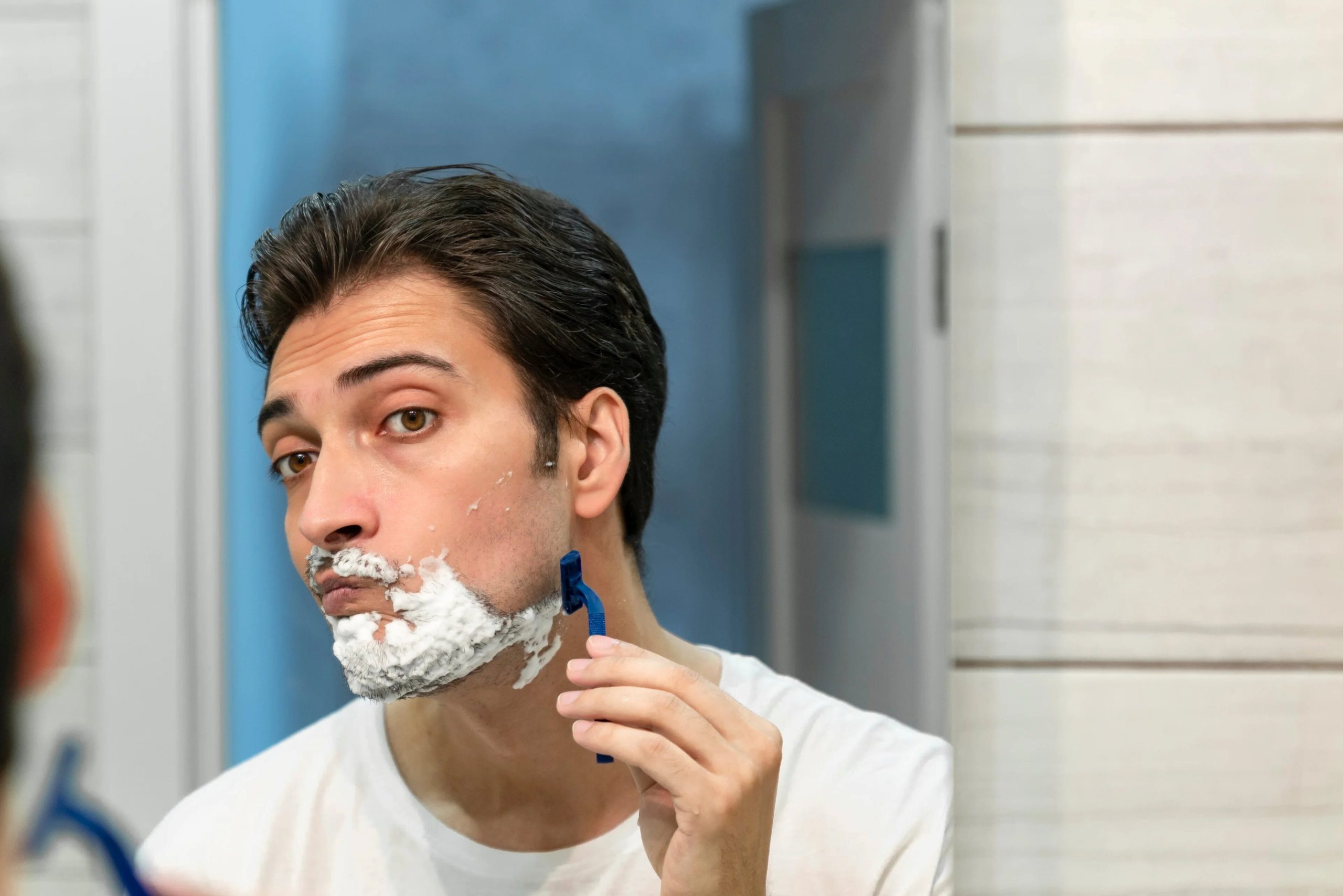
The very important thing to keep in mind is how the body reacts to water. When you are exposed to steam and water, your body will have a specific reaction. Your hair will be rigid, with sharp edges and dry before the shower, but after the shower, it will be easier to cut, swollen, and soft.
The skin will be compact and tight before, but after you shower, you have the pores open; the skin is more pliable and relaxed. But what about oil and dirt? That will block the blade, and it will coat the hair before the shower, however if you shower, you get a smoother razor glide, and any dirt or oil will just get washed away.
Scientists suggest that softened and wet hair requires 40% less cutting force when compared to dry hair. That’s because you need less force to cut the hair, and you will also have less irritation as a result. It’s an excellent thing to consider, and you will find it to be a much better experience in the end.
Shaving after the shower
Should you shave after a shower? Many barbers and scientists agree that this is the go-to option. That’s because the hair itself is fully softened, but the skin is also relaxed and warmer. You have the pores open, the blade will be sliding with ease, and there is less pressure needed, which is a major concern for most people. Naturally, there’s also less risk of ingrown hair, razor burn, or anything similar to that.
Who can benefit from shaving after the shower:
- It’s great for people who have a wiry, coarse, or thick beard.
- You should consider it if you have curly hair and sensitive neck.
- Additionally, it’s excellent for any safety razor users.
- People who want a close, smooths have will surely appreciate this approach more.
A good routine is to take a warm shower for 3-5 minutes, and then you pat dry, so you can leave the skin just a tad damp. After that, you want to apply shave cream or gel, shave with very light pressure, and then use aftershave balm and a cool rinse.
Are there downsides to this? Not exactly, there are a few minor things. For example, due to the process requiring more steps and a shower beforehand, it will take longer. So, if you were wondering should you shave before a shower or not, shaving after will require more time. But it is easier to do and less prone to nicks, cuts, or any inflammation. Another thing is that the skin will sometimes swell a little, and hard water can dry the skin if you shower for more than 5 minutes.
Shaving before the shower
Not everyone is ok with shaving after the shower. Some people think that shaving before the shower is better, and they like it more. That leads to a cleaner bathroom, and you will have less time-consuming prep, which is a thing you want to take into consideration. It’s very good for oily skin as the shower will clean your shaved area after the fact. And yes, electric shaving benefits from it, as the dry skin will simplify that cutting motion.
Who is this for? It could be a solid option if your skin gets swollen or red during hot showers or if you struggle with acne or clogged pores. And as we said, if you’re someone who likes electric shavers, those might actually benefit if you shave before the shower.
Steps to consider:
- First, you want to wash your face with some warm water
- Add some shave cream and allow it to sit for a minute
- Shave with the grain, and do that gently
- Then, you shower after so you can wash the debris and then soothe your skin for the best possible results.
Are there downsides that come from shaving before you shower? Of course, the dry hair will require a lot more razor pressure. That can lead to more irritation and potential cuts. Naturally, it won’t happen all the time, but there is a possibility that something like that will happen, so you really have to address that properly for the best possible outcome.
Additionally, it’s not ideal if you have coarse beard hair. And on top of that, there is a higher risk of razor bumps on the neck, which you do have to try and handle the best way that you possibly can here. The problem with shaving before showering is that it’s not very comfortable. Still, if you prefer this type of approach, it could be the better option for you. As always, it comes down to how you want to shave, the way you are preparing the shaving process, and all in all, you have to be calm about the situation at hand.
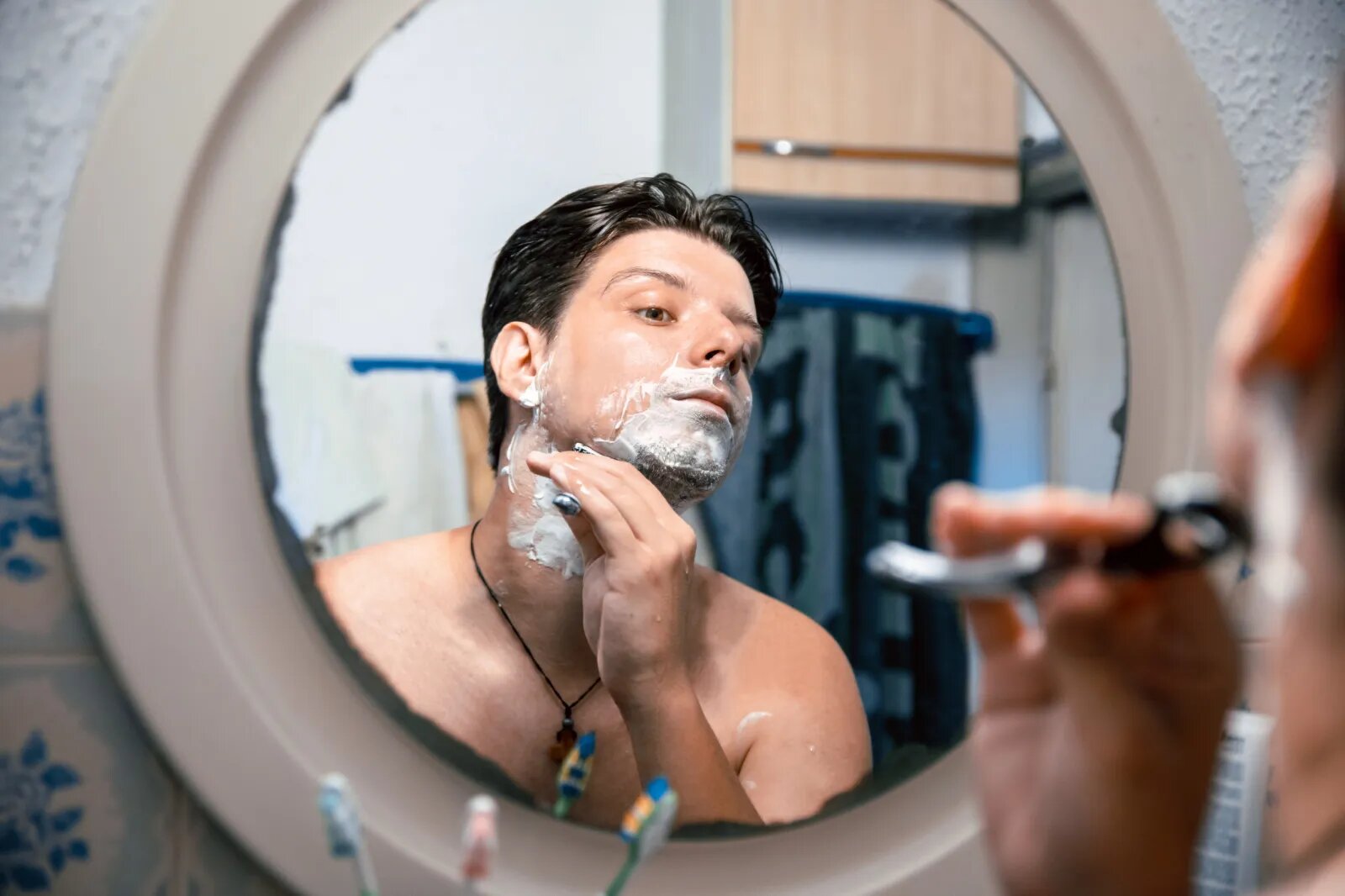
Of course, aside from the two options, you also have the option to shave as you shower. It’s not the most hygienic solution, nor the best, but it definitely has its fair share of benefits and upsides. The thing to note here is that you get to stay hydrated, the constant steam keeps your hair soft, and there is zero mess at the sink. You can also choose to easily rinse the blade between strokes, and you will have a warm environment that relaxes the skin.
It’s actually the preferred option for people that want to shave their body, especially areas like the armpits, legs, chest, and so on. The downside for this type of stuff is that water will wash away the shaving cream fast, and it’s hard to be very attentive, so the chances of having small cuts are actually pretty high. Then, there’s also the risk of rushing, which could lead to some missed spots. And since this is a slipper environment, the natural slip and fall accidents can actually be very problematic. You really want to address that wisely, and in the end, it’s what will make things better for you if you want to shave.
Shave last, not first: the order matters when you shave in the shower
Here’s a detail most articles on this topic skip entirely: if you shave in the shower, *when during* the shower you shave matters almost as much as the shower itself. And most of us have been doing it backwards.
The common habit — the one a lot of us picked up watching our dads — is to step in, shave first to “get it out of the way,” and then wash. A grooming creator whose “you’re shaving at the wrong point in the shower” video made the rounds put it bluntly: that order wastes the whole advantage. The benefit of shaving in the shower is several minutes of steam and heat softening your beard, and at minute one you have had none of it.
Dermatologists say the same thing. Board-certified dermatologist Jenny Liu advises shaving at the end of the shower, once hair has had time to soften, and pairing that with a fresh blade — because a dull blade on softened hair still causes more irritation than a sharp one.
There’s a second, practical reason to shave last: wash your hair first. Shampoo and hot water strip oils from your skin, and you don’t want that residue sitting on freshly shaved skin, where it can sting and irritate. Wash your hair, wash your face, let the steam do its prep work — then lather up and shave.
Simple rule: shower first, wash second-to-last, shave last. If you’ve been an in-shower shaver for years and still deal with razor burn, try flipping the order for a week before you blame your razor.
What shaving tool do you prefer?
It’s based on when you want to shave, if you want to shave before the shower, after the shower, or even as you shower. The body razor and multi blade option is preferred by those people that want to shave in the shower. The electric foil or rotary option is good before the shower. After shower, shaving will be ok with either a safety razor or a cartridge razor. Some people even use the latter one inside the shower, because it has lubrication strips. That means the chances of cutting yourself accidentally are rather small, and that’s totally something you need to take into account.
Why does hydration and temperature matter?
These matter quite a lot because they will have an impact on how you shave and your skin as a whole. For example, warm water will increase the elasticity of your skin, which leads to less razor drag. It will also soften keratin in the hair follicles, which allows easier slicing of the hair. And since it opens pores, it’s easier to glide and remove the hair, without feeling vulnerable or anything of that nature.
Then, there’s cold water, which will help calm down the inflammation, close the pores after you shave, and it also reduces bleeding that comes from any micro-nicks. These things happen, whether you like it or not, so figuring out how to address those problems is what will help immensely going forward.
What this means is that from a scientific standpoint, having a warm shower, then shaving, and then doing a cool rinse is the best approach. It will give you the best results and experience, and it will help alleviate a lot of the stress. In the end, it’s the best approach, and it will help streamline the way you shave. It’s definitely not without its own issues, especially if you want to use an electric shaver. But in general, this is proven to be the better experience, since you can focus on your shower, then shave, and not worry about nicks, cuts, or anything of that nature.
How can you prepare yourself with a pre-shave ritual?
- You should always consider exfoliating around 2-3 times a week. The reason why that helps is because it will allow you to reduce razor bumps significantly.
- Additionally, it helps if you let the shaving cream sit there for 30 seconds to 1 minute. It will adhere to the skin a lot better, and it will certainly make shaving much easier to do and better, overall.
- You need to use light pressure, avoid scraping because it will be problematic, and that’s totally a thing that you need to avoid as much as possible.
- Replace the blades often, every 5-7 shaves if you can.
- Another good tip is to shave with the grain first. Sure, you can go across if you want, but try to shave with the grain first, just to ensure that everything is ok.
In addition, you also want to think about the specifics that come from various body parts you need to shave. For example, the cheeks are the easiest to shave and more forgiving. The chin has thick follicles, so it will require some softening. And then we have the upper lip, which is sensitive, and thus it will need you to do some gentler strokes. When it comes to Adam’s apple, skin stretching is very much mandatory. And then there’s the neck, which has swirl patterns, with that being rather problematic.
Acne-prone skin? Tweak the "after the shower" rule
This post mentions acne in passing, but it’s worth spelling out — because acne-prone shavers get some of the worst advice online, usually “just shave after the shower” with zero adjustments.
Shaving after the shower is still the right call, but with a few tweaks. First, keep the water warm, not hot. Very hot showers inflame skin and can make breakouts angrier; you want softened hair, not a red face. Second, don’t pile exfoliation on top of shaving — shaving already exfoliates, and scrubbing over active breakouts is how a pimple turns into a weeper. Third, give breakout zones a single with-the-grain pass and leave it at that. Chasing baby-smooth over a breakout is what nicks the tops off pimples and drags bacteria across your face.
Two habits matter more for acne-prone skin than anyone else’s: swap blades on schedule, because a dull blade drags and harbors more bacteria — the worst combination for blemish-prone skin — and finish with a light, non-comedogenic moisturizer rather than a heavy balm or an alcohol splash.
In practice, treat shaving like a second exfoliation step, not a battle. And if one area keeps flaring up no matter what you change, that’s a conversation for a dermatologist, not a new razor.
What if you don’t have time for a full shaving routine?
That’s still fine, you can find different ways of dealing with the shaving process. The main idea here is to have a quick pre-shave softening, so you can avoid things like accidental cuts or anything of that nature. Splash some warm water, add some cream for 30 seconds, and then shave with the grain. That’s all you need, and it will make things much better.
Of course, there is an alternative method that you can try as well. For example, you are rinsing a bit with some warm water, and then you shave your cheeks or chin first. After that, you shower, and you leave the neck at the end. The idea is to ensure that the neck area is softened, so you don’t end up cutting the skin accidentally. If it’s too dry, cuts will happen, so it does make sense to figure out how to approach this and handle it with the utmost focus and attention. That’s what matters the most, after all.
About the author: Chris Garczynski
Chris is a Minnesota-based wet shaving enthusiast and founder of Wet The Blade. After years of testing safety razors, straight razors and grooming products, he shares honest, practical shaving guides — no sponsored fluff.
The night-shave option nobody talks about
Every article on this topic assumes you’re a morning shaver. But there’s a whole community of night shavers out there — Badger & Blade even has a long-running “Circle of Night Shavers” thread — and their case is worth hearing.
The argument is straightforward: shaving at night gives your skin hours to calm down before the world sees it. One shift worker in that thread shaves around 2:00 in the afternoon and still looks presentable when his 13-hour shift ends at 4:30 AM — something his old cartridge setup could never manage past midnight. There’s also a comfort argument: shaving guides aimed at sensitive skin note that by evening your face is less puffy than first thing in the morning, so hairs protrude more properly — which can mean a smoother, closer shave with fewer ingrown hairs.
For morning rushers, the practical win is obvious: you get the unhurried shave at night and wake up clean-shaven with zero extra minutes spent at the sink.
One honest caveat: if your beard grows fast enough to show a real shadow by noon, a night shave alone won’t carry you through the workday. Test it on a weekend first and check the mirror at 2:00 PM. If you make it to dinner still looking clean, you’ve just bought yourself twenty calm minutes every morning.
FAQ
Is it better to shave before or after a shower?
After. A warm shower hydrates your facial hair for 2–3 minutes, softening it and letting the razor glide with less irritation.
Can I shave in the shower?
Yes — the steam and warm water are ideal prep. Use a fog-free mirror and keep your razor dry between uses to protect the blade.
What if I only have time for a quick shave?
Hold a warm, damp towel on your face for 2–3 minutes. It mimics most of the shower’s softening effect.
Does shaving after a shower cause more nicks?
No — it causes fewer. Hydrated skin and softer hair mean less pressure is needed, which is the main cause of nicks.
Should I shave before or after a shower as a woman?
The same rule applies: after is better. A warm shower softens leg, underarm, and bikini-line hair just like facial hair, letting the razor glide with less irritation. Shaving dry skin before a shower is one of the most common causes of razor burn and itchy legs after shaving.
Is it better to shave before or after a shower with an electric razor?
It depends on your shaver. With a dry-only electric razor, shave before your shower on fully dry skin — moisture kills its performance. With a wet/dry electric shaver, shave after or even in the shower: the hydration still softens the hair, and you can rinse the shaver head clean right away.
Conclusion
So, should you shave before a shower or should you shave after a shower? It always comes down to preference, to be realistic. Some people like shaving before the shower. But it seems that the general consensus from scientists is that you should always shave after the shower. It opens up your pores, there are fewer chances of dealing with irritation, nicks, or cuts, and that’s important. We do recommend ensuring that you keep a good pre-shave regimen, and once you do that, things will be amazing.
One response to “Should I shave before or after a shower?”
[…] on the neck, the hair tends to grow thick, and it will curl sharply. What you want to do is to shave after the steamy shower, or you can apply a hot towel for 1-2 minutes. You can also hydrate using a shave gel or a cream. […]