The Ultimate Guide to Safety Razor Longevity: When and How to Refresh Your Shave
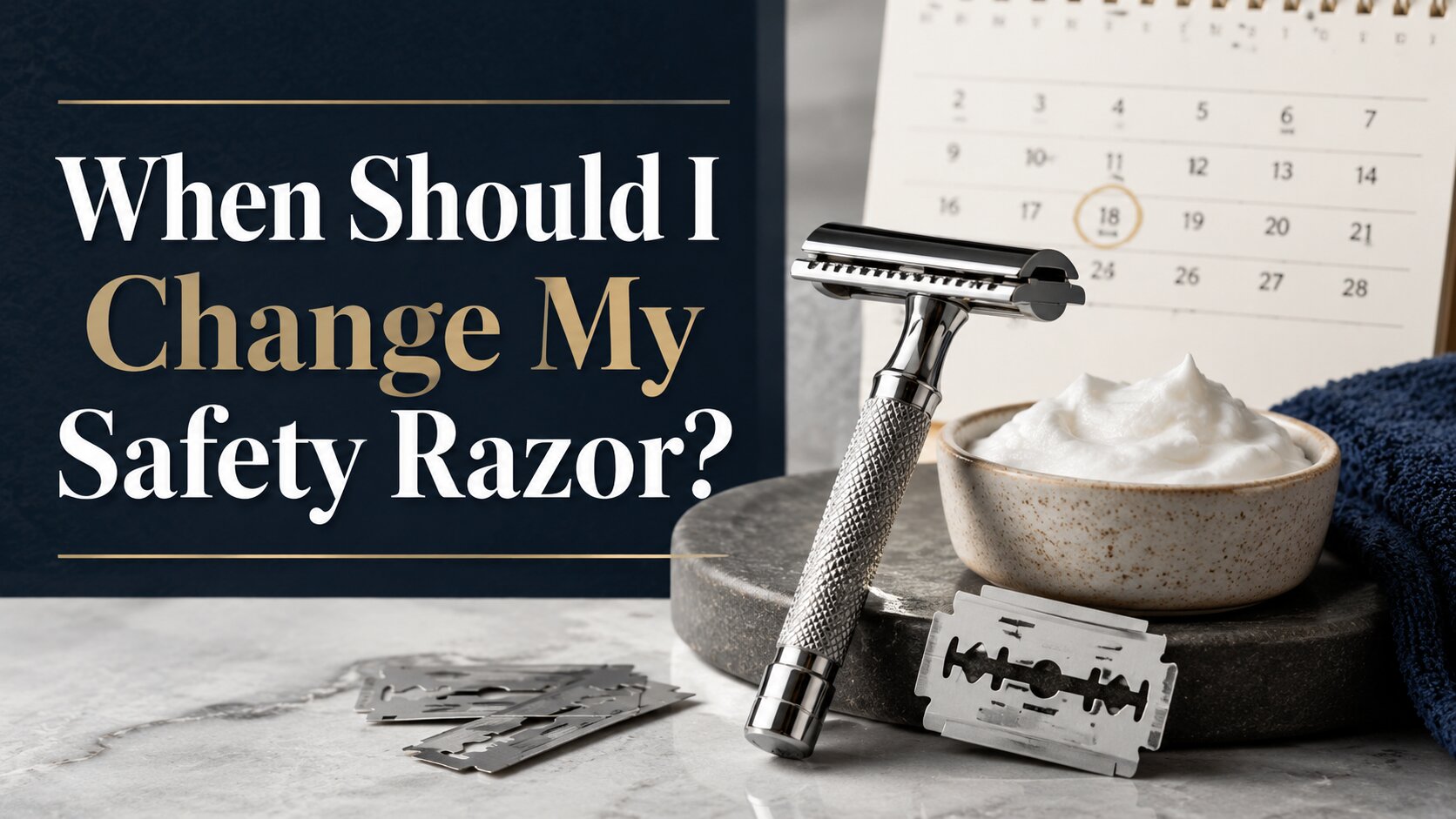
Quick answer: Most safety razor blades last 3 to 7 shaves. Change yours sooner if the razor tugs, you need extra passes, or you start getting razor burn or nicks.
Switching from plastic cartridges to a traditional double edge (DE) safety razor gives you a smoother, less irritating shave. But a safety razor also asks you to look after your tools, and the question almost every wet shaver asks sooner or later is: when should I change my safety razor blade? However, mastering the art of wet shaving requires more than just holding a heavy piece of polished metal at a 30-degree angle. It demands an understanding of tool maintenance.
Changing your blade on time helps prevent razor burn, ingrown hairs, nicks and skin irritation. Unlike cartridges, which many people use for weeks, safety razor blades are meant to be swapped often and cheaply. This guide covers the signs of a dull blade, what affects how long a blade lasts, and how to make each blade last as long as possible.
1. Understanding the Difference: Razor Handle vs. Razor Blade
Before we dive deeply into the timeline of blade deterioration, we must clarify a common point of linguistic confusion. When people ask, “When should I change my safety razor?” they are often referring specifically to the disposable double-edge steel blade housed inside the razor, rather than the heavy metal handle itself.
The Longevity of the Safety Razor Handle
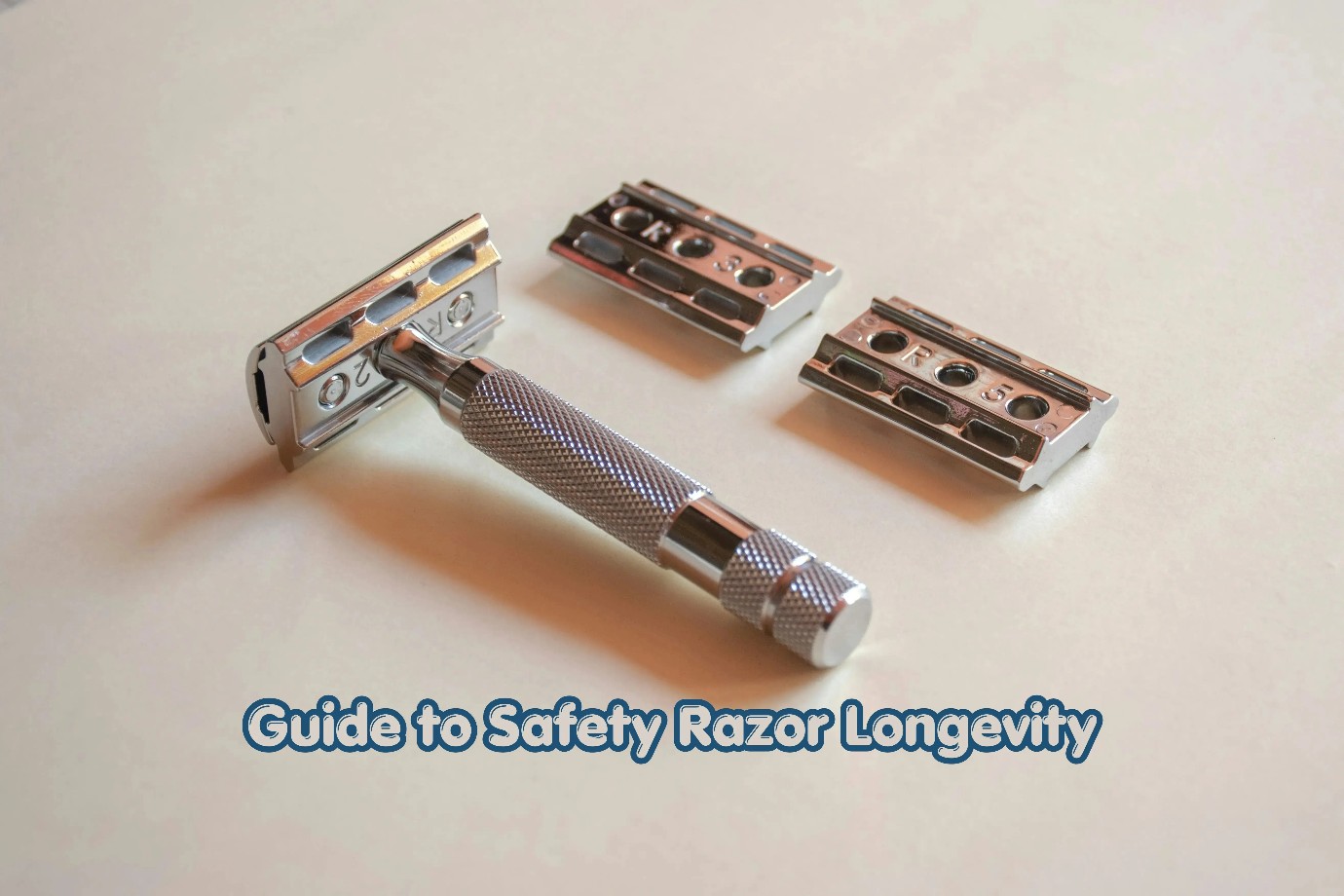
A high-quality safety razor handle. Whether it is a three-piece, two-piece, or butterfly-open design made of brass, stainless steel, or chrome-plated zinc alloy, it is built to last for years, decades, or even a lifetime. Many enthusiasts proudly shave with vintage Gillette Fatboys or Tech razors manufactured in the 1940s and 1950s. If you clean, dry, and occasionally lubricate the moving parts of your safety razor handle, you will rarely, if ever, need to replace it. It becomes a permanent heirloom fixture in your grooming arsenal.
The Ephemeral Nature of the Safety Razor Blade
The razor blade itself is an entirely different story. These ultra-thin pieces of high-carbon or stainless steel are coated with specialized materials like platinum, chrome, Teflon, or ceramic to help them glide effortlessly across the skin. However, the cutting edge of a safety razor blade is incredibly microscopic. From the very first stroke against coarse facial hair, that microscopic edge begins to bend, chip, and dull. Thus, when we address the core question of this guide, our focus centers tightly on the replaceable blade.
2. The Core Signs: How to Tell When Your Razor Blade is Dull
You should never rely on a calendar alone to tell you when to change your safety razor. Instead, you must learn to listen to your skin and pay close attention to how the steel interacts with your stubble. If you experience any of the following physical indicators during your shaving routine, it means your blade has reached the end of its functional life.
Increased Tugging and Pulling
A sharp, fresh safety razor blade should cut through facial hair smoothly, cleanly, and with minimal resistance. You should rely solely on the weight of the razor handle to glide down your face. However, as the microscopic edge of the steel dulls, it loses its ability to cleanly slice through the hair shaft. Instead of cutting the hair, the dull blade catches on it, pulling and tugging at the root. If you feel a sharp, pinching sensation or feel like the razor is dragging across your face rather than slicing through stubble, stop immediately. Your blade is spent.
The Emergence of Razor Burn and Redness
Have you noticed that your neck looks inflamed, red, and irritated immediately after a shave? This is known as razor burn, and it is a classic indicator of an overused blade. When a blade is dull, you naturally (and often subconsciously) begin to apply downward pressure to force the razor to cut. Applying pressure with a safety razor scrapes away the protective top layers of your skin (the stratum corneum) along with the hair, causing micro-abrasions, intense friction, and widespread inflammation.
Frequent Nicks, Cuts, and Weepers
It may seem counterintuitive, but a dull razor blade causes significantly more cuts and nicks than a razor blade that is razor-sharp. A sharp blade moves predictably and cleanly along the contours of your skin. A dull blade, because it hitches, skips, and hops across the uneven surface of your hair, creates a jagged, unpredictable movement. When the blade suddenly breaks free from a caught hair, it can dig directly into your skin, causing small punctures or bleeding “weepers.” If you want to learn how to execute advanced techniques safely, such as shaving over the Adam’s apple without injury, starting with a perfectly sharp blade is non-negotiable.
Needing Multiple Passes for a Clean Shave
If you finish your standard three-pass shave (with the grain, across the grain, and against the grain) and still feel significant patches of rough stubble, your blade is no longer performing efficiently. When a blade requires you to repeatedly scrape over the exact same patch of skin four, five, or six times just to get a smooth finish, you are drastically increasing your risk of severe irritation and painful ingrown hairs.
3. The Factors That Impact Blade Lifespan
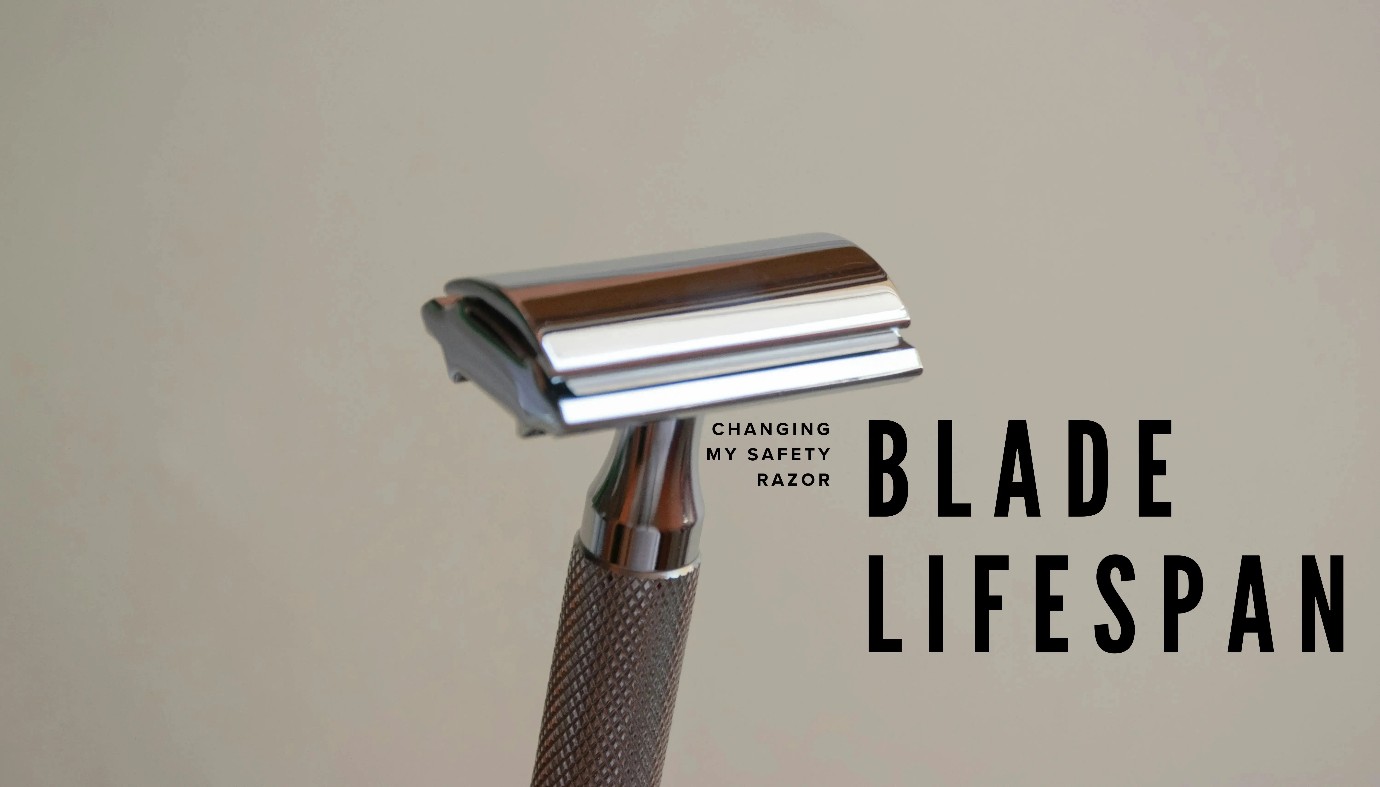
When to change my safety razor? There is no universal, one-size-fits-all answer to how many shaves a single safety razor blade will last. A blade that lasts an entire week for one person might become completely unusable after just two shaves for someone else. Understanding the underlying variables that dictate blade degradation will help you accurately predict your own blade replacement schedule.
Hair Density and Coarseness
Human facial hair is remarkably resilient. In fact, dry facial stubble has tensile strength and hardness comparable to those of copper wire of the same diameter. If you have an incredibly thick, dense, and coarse beard, your hairs will act like an abrasive whetstone against the delicate edge of the razor blade, wearing it down rapidly. Conversely, individuals with fine, sparse, or soft facial hair will find that their blades remain sharp for a significantly longer duration.
Total Shaving Surface Area
Are you using your safety razor solely to clean up your cheek lines and maintain a neat beard, or are you doing a full-face, neck, and scalp shave every single morning? The total surface area covered during a single grooming session directly correlates to blade wear. Shaving a full head and face uses up vastly more of the blade’s cutting life than quickly clearing up a small unibrow area. If you regularly use your tool for precision tasks, like learning to shave your unibrow, the blade edge will remain sharp for weeks because the total workload on the steel is minuscule.
Pre-Shave Preparation and Hair Hydration
How you prepare your face before the steel ever touches your skin plays a monumental role in blade longevity. Dry hair is stiff, rigid, and highly resistant to cutting. When you thoroughly hydrate your beard using warm water, a high-quality pre-shave oil, or a rich lather created with a traditional shaving brush, you soften the keratin within the hair shaft. Hydrated facial hair expands and becomes up to 30% softer, allowing the razor blade to slice through it with a fraction of the force. This reduction in resistance directly preserves the microscopic edge of your blade. For an in-depth, scientifically validated look at how proper timing and skin hydration alter your hair’s structure for an optimal shave, read our detailed analysis on Should I Shave Before or After a Shower.
Blade Brand, Metallurgy, and Coatings
Not all safety razor blades are created equal. The specific steel type used, the manufacturer’s sharpening angles, and the chemical coatings applied to the blade edge all influence durability.
- Feather Blades: Renowned globally as some of the sharpest blades in existence, made of premium Japanese stainless steel. Because their edge is ground so incredibly thin to achieve maximum sharpness, they can sometimes dull slightly faster (lasting 3 to 5 shaves) because the ultra-thin edge is susceptible to microscopic rolling.
- Astra Superior Platinum / Personna Comfort Coated: These blades strike an exceptional balance between comfort, smoothness, and longevity. Their specialized platinum and polymer coatings protect the edge, often allowing users to get 5 to 7 clean shaves from a single blade.
- Derby Extra: These blades are coated heavily with chromium, ceramic, platinum, and tungsten. They are milder blades that excel for sensitive skin and can maintain their baseline mild sharpness consistently over several shaves.
4. The Golden Rule: The 3 to 7 Shave Average
While observing performance indicators is the most reliable strategy, having a general numerical baseline guideline is incredibly helpful for planning. For the vast majority of wet shavers using traditional double-edge safety razors, the golden rule is that a blade lasts 3 to 7 shaves.
| Shave Frequency / Routine | Estimated Blade Lifespan | Change My Safety Razor |
| Daily Full-Face Shaver (Coarse, dense beard hair) | 3 to 4 Shaves | Change twice a week (e.g., Monday and Thursday) |
| Every-Other-Day Shaver (Average hair density) | 4 to 5 Shaves | Change once every week to 10 days |
| Beard Maintenance Shaver (Cheeks and neck lines only) | 7 to 10 Shaves | Change once every two weeks |
| Head/Scalp Shaver (Large surface area, thick hair) | 1 to 2 Shaves | Change after every 1-2 full head shaves |
Because double-edge safety razor blades are incredibly inexpensive, typically costing between $0.10 and $0.25 per blade when purchased in bulk 100-packs, there is absolutely no economic reason to stretch a blade past its prime. Trying to squeeze a 10th shave out of a ten-cent piece of steel at the expense of bleeding, painful red bumps, and skin irritation is a terrible trade-off. When in doubt, toss the old blade out.
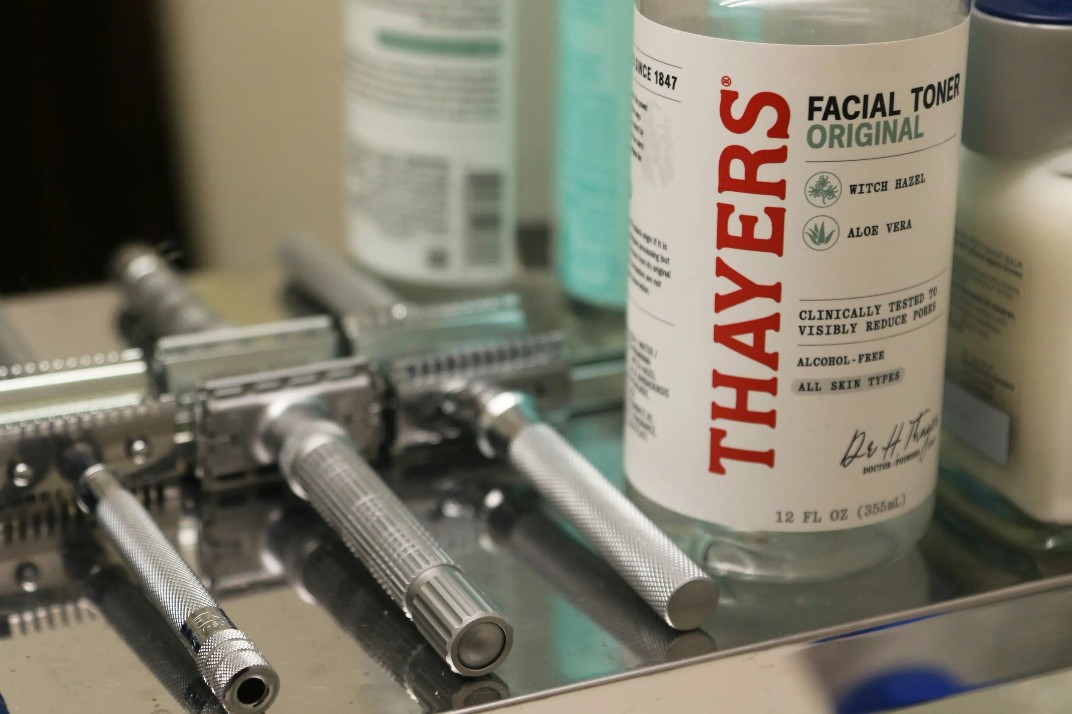
5. The Hidden Enemy of Safety Razor Blades: Oxidation and Corrosion
Many people assume that blades dull solely because the physical friction of hair wears down the metal. While friction is a major contributor, the primary reason a blade degrades between shaves, even while sitting completely idle in your bathroom cabinet, is a chemical process called oxidation.
The Anatomy of Microscopic Rust
When you finish shaving, your razor blade is covered in water, soap scum, skin oils, and microscopic hair debris. If you simply rinse the razor and set it down on your sink counter, trapped moisture remains locked between the razor cap and the blade. Oxygen in the water reacts with the iron molecules in the steel, initiating a process of microscopic corrosion.
This is not the bright orange rust you see on an old car; rather, it is a microscopic pitting and crumbling along the razor’s cutting edge. The next time you pick up the razor, that edge is no longer straight and continuous; it is jagged, like a saw blade on a microscopic level. This jaggedness drags across your skin, slicing into your pores and causing intense razor burn. Therefore, keeping your blade meticulously clean and bone-dry between uses is just as crucial as tracking how many times it has come into contact with your beard.
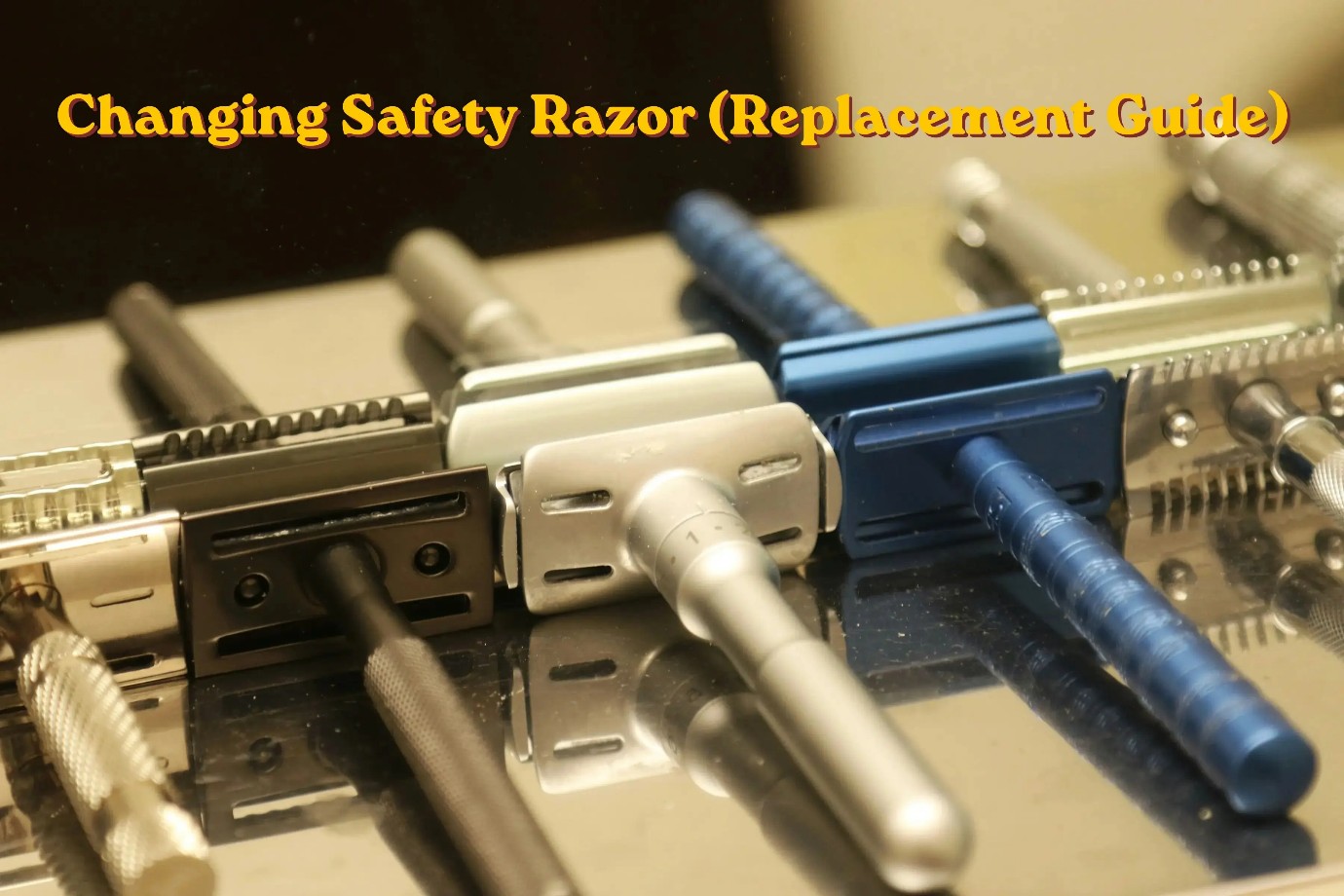
6. Step-by-Step Guide to Maximizing Your Blade’s Lifespan
If you want to ensure your blades consistently reach the upper limit of their lifespan (closer to 7 shaves than 3), you must implement a deliberate post-shave maintenance regimen. By dedicating just sixty seconds after every shave to caring for your hardware, you can drastically improve both blade longevity and shave comfort.
Step 1: Thorough Post-Shave Rinsing
Once your shave is complete, loosen the handle of your safety razor by a quarter or half turn. Opening the mechanism slightly allows water to flow freely through the blade housing. Run hot water through the head of the razor to completely flush out accumulated hair clippings, shaving cream residue, and skin oils. Never use a brush or towel to aggressively scrub the blade edge itself, as this will immediately strip away the delicate platinum or Teflon coating designed to reduce friction against your face.
Step 2: The Alcohol Dip (The Ultimate Drying Trick)
Water is the ultimate enemy of fine steel. To completely eliminate moisture from the blade edge, keep a small jar of 70% or 91% Isopropyl Alcohol on your bathroom vanity. After rinsing your razor with water, dip the razor head directly into the alcohol for 5 to 10 seconds. Alcohol is a powerful hygroscopic agent; it displaces water molecules and rapidly evaporates into the air when the razor is removed from the liquid. This simple action leaves the blade entirely dry within seconds, halting oxidation in its tracks. Furthermore, the alcohol thoroughly sterilizes the blade, killing any bacteria that could cause skin infections or folliculitis during your next grooming session.
Step 3: Proper Storage in an Open, Well-Ventilated Environment
Never store your wet safety razor inside a dark, humid medicine cabinet, a closed drawer, or a damp travel bag. The high humidity levels in an unventilated bathroom will cause moisture to condense on the blade, promoting rust. Instead, place your razor in a dedicated vertical razor stand in an open area with excellent airflow. Storing the razor vertically allows any remaining liquid droplets to drain downward away from the cutting head, keeping the blade edge clean and dry.
7. Advanced Insight: When to Change My Safety Razor Mechanism?
While the core focus of our grooming journey remains on swapping out individual blades, we must also recognize that the physical safety razor handle itself will eventually show signs of age, wear, or damage. Let’s look closely at the specific indicators that signal it is time to retire your razor handle entirely and upgrade to a new model.
Structural Realignment and Uneven Blade Exposure
The most critical safety feature of a double-edge razor is perfect blade alignment. The razor’s top cap and base plate are engineered to hold the blade firmly at an exact, uniform angle on both sides, with identical blade exposure on both sides. If you accidentally drop your safety razor onto hard bathroom tile, the metal head can bend, warp, or crack; even a tiny distortion invisible to the naked eye can cause disaster.
If you notice that one side of your razor shaves aggressively while the other side barely touches your skin, or if the blade looks visibly crooked when clamped down, the geometry of the razor has been compromised. Shaving with a misaligned razor handle is incredibly hazardous and will cause deep cuts. If your razor handle is bent or warped, it must be replaced immediately.
Corrosion of Base Metals (Zinc Pest)
Many modern mid-tier safety razors are constructed using an alloy called zamak (a combination of zinc, aluminum, magnesium, and copper), which is then electroplated with a beautiful, shiny outer layer of chrome or nickel. The chrome plating acts as an impenetrable shield against water. However, if that protective plating chips, scratches, or wears away due to dropped hardware or aggressive abrasive cleaning, the underlying zamak base metal becomes exposed to water.
Zamak is highly susceptible to rapid corrosion when exposed to moisture, a destructive process often called “zinc pest.” The metal will begin to bubble, turn powdery white, crumble, and dissolve. Once the threads of your razor head begin to rot or crumble from zinc pest, the handle can no longer clamp down safely and securely on the blade, making it completely unusable.
Mechanical Failure in Twist-to-Open (TTO) Razors
Butterfly-style safety razors feature an internal mechanism consisting of gears, rods, and hinges that allow the top doors to swing open when the bottom knob is twisted. Over months and years of constant exposure to hard water, soap scum, and mineral deposits, these internal mechanical components can become seized, stiff, or loose. If the doors of your butterfly razor no longer snap shut tightly, or if they wobble loose mid-shave, the tool poses an immediate danger to your face. You can attempt to clean the mechanism with warm water and dish soap, then apply a drop of mineral oil lubricant. However, if the loose mechanical play persists, the tool must be retired.
If you ever find yourself looking for deep historical inspiration or want to explore unique, mechanical vintage shaving devices that approach blade maintenance entirely differently, read our comprehensive look at the fascinating history of the rolls razor.
8. Environmental and Safety Aspects of Blade Disposal
When you decide it is time to change your safety razor blade, your responsibility does not end with simply removing it from the razor head. You must handle and dispose of the used blade safely and ethically to protect yourself, your family, sanitation workers, and the environment.
Never Throw Loose Blades Directly Into the Trash
A loose double-edge razor blade hidden inside a garbage bag is a dangerous hazard waiting to happen. It can easily slice through plastic trash bags, cutting your hands when taking out the garbage, or severely injuring municipal sanitation workers who handle waste management systems manually.
The Blade Bank: The Gold Standard of Safe Disposal
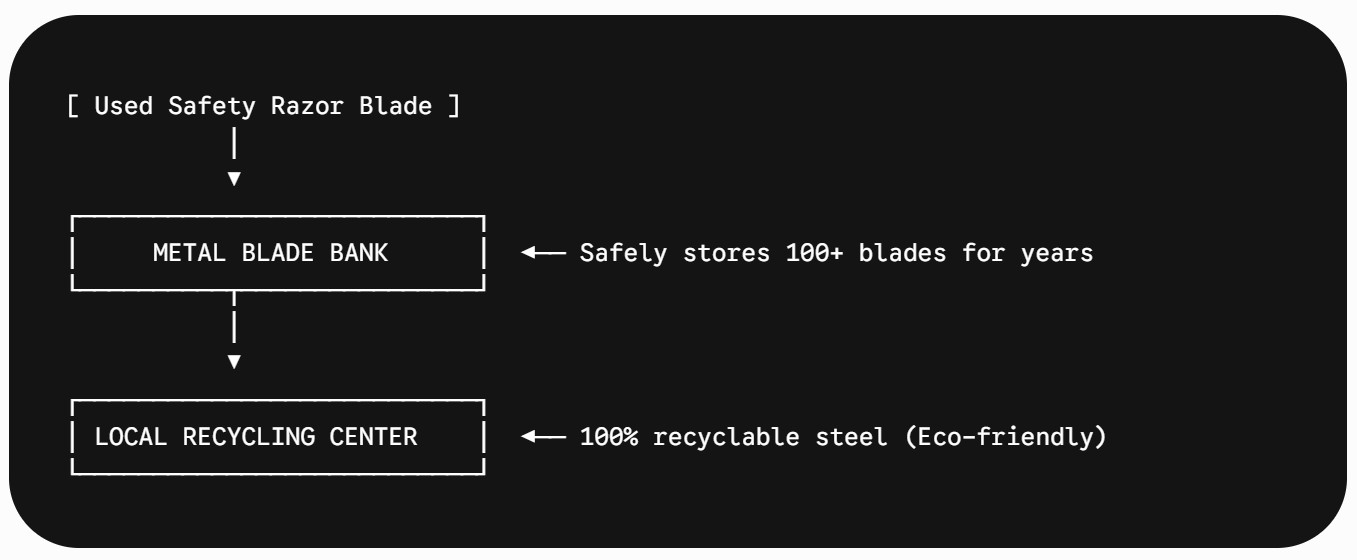
The safest, most eco-friendly way to dispose of old steel blades is to use a dedicated metal blade bank. A blade bank is a small, sealed metal container featuring a thin slot at the top, resembling a miniature piggy bank. When a blade is spent, you drop it through the slot. These containers are compact, incredibly inexpensive, and can easily hold 100 to 200 used blades, representing several years’ worth of shaves.
Environmental Sustainability of Safety Razors
One of the most rewarding benefits of traditional wet shaving is its minimal impact on our planet. Billions of plastic cartridge razors and disposable handles end up clogging landfills and polluting oceans every single year, where they take centuries to decompose.
In stark contrast, safety razor blades are made entirely of pure steel, with no bonded plastic parts. Once your metal blade bank is completely full, you can tape the slot closed and drop the entire container directly into your local metal recycling bin. The metal will be melted down and repurposed into new steel products, creating a perfectly sustainable, zero-waste grooming loop.
Conclusion: Developing Your Shaving Intuition
Mastering the timeline of when to change your safety razor blade is a personal journey that combines observational science with intuitive feel. By paying close attention to the early warning signs of blade degradation, such as mild skin pulling, subtle razor burn, and unexpected nicks, and combining that awareness with a consistent post-shave maintenance routine involving thorough drying and upright storage, you will achieve an unparalleled level of shaving comfort.
Remember, safety razor blades are remarkably inexpensive tools designed to be discarded without hesitation. Never sacrifice the health, smoothness, and appearance of your skin to save a few pennies on an over-worn blade. The moment a shave transitions from an effortless, relaxing glide to an uncomfortable struggle, respect your face, open up your razor, and treat yourself to a crisp, fresh, and flawlessly sharp new edge.
To learn more about optimizing your comprehensive daily routine, exploring elite grooming traditions, or discovering high-end barbershop cultures worldwide, check out our insights on the most expensive barbershop in the world.
Authority References & Scholarly Resources
- The American Academy of Dermatology (AAD): Official public guidelines on correct male shaving mechanics and optimal blade replacement intervals.
- Materials Science & Metallurgy: Microstructural analysis highlighting what causes razor blades to dull, detailing the corrosive impact of room-temperature oxidation and microchipping.
- Clinical Dermatology Insights: A specialized clinical breakdown on the dermatologist’s guide to healthy shaving, detailing how to protect the stratum corneum and avoid pseudofolliculitis barbae.